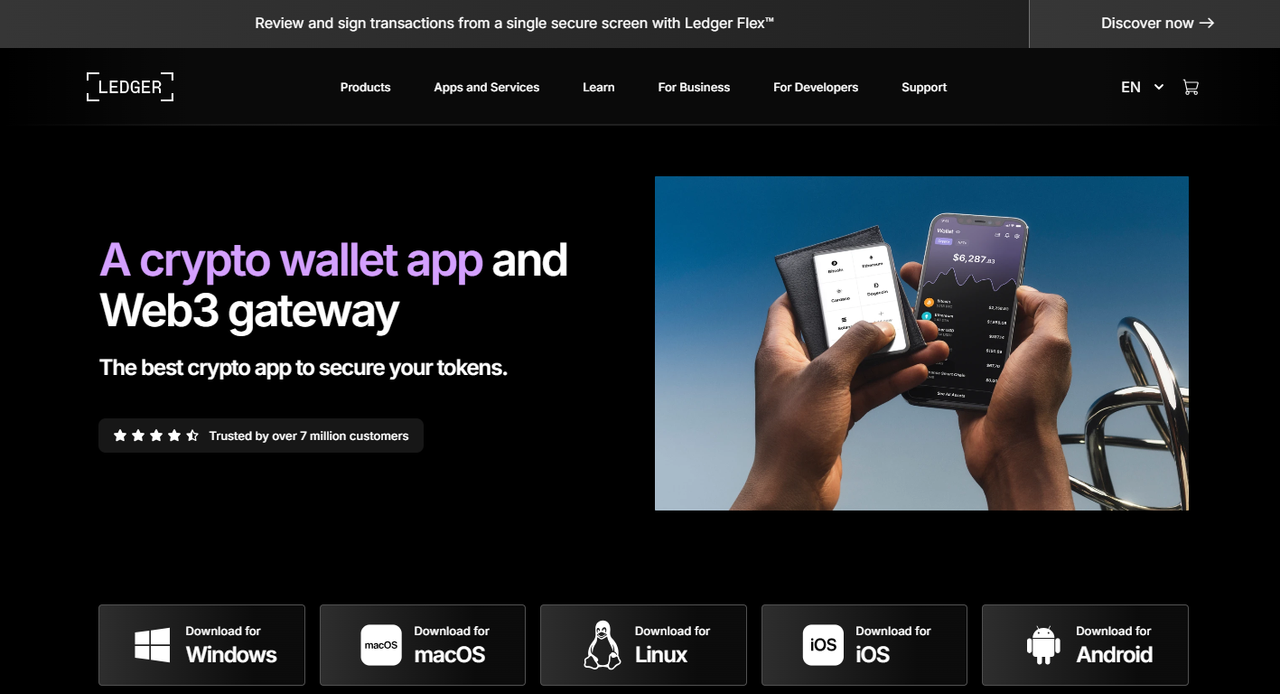
Ledger Live – Your Complete Guide to Managing Cryptocurrency Safely
Ledger Live is the official application provided by Ledger, designed to manage your cryptocurrency securely. Whether you’re a beginner just entering the world of digital assets or an experienced investor, Ledger Live provides an intuitive interface to control your crypto portfolio, send and receive coins, and monitor your balances—all while keeping your private keys safely offline on your Ledger hardware wallet.
This guide will cover everything you need to know about Ledger Live, including installation, setup, features, security best practices, supported cryptocurrencies, and tips for maximizing your wallet’s safety.
What Is Ledger Live?
Ledger Live is a desktop and mobile application that works in tandem with Ledger hardware wallets such as the Ledger Nano S Plus and Ledger Nano X. Its primary function is to allow users to:
Manage multiple cryptocurrency accounts
Send and receive digital assets securely
Install and manage apps on your Ledger device
Track real-time portfolio balances and market prices
Unlike online wallets or exchanges, Ledger Live ensures that your private keys never leave your Ledger device. This is critical because your private keys are what give you full control over your cryptocurrency. Ledger Live acts as a secure interface, while your Ledger device keeps your keys offline, protecting them from hacks and phishing attacks.
Why Use Ledger Live?
Ledger Live is not just a wallet interface—it’s a complete crypto management tool. Here’s why it’s recommended for all Ledger users:
Enhanced Security – Private keys never leave your hardware wallet, making it virtually impossible for hackers to steal your crypto.
Ease of Use – The app is user-friendly, with clear instructions for beginners and advanced features for experienced users.
Multi-Currency Support – Ledger Live supports thousands of cryptocurrencies, allowing you to manage all your assets in one place.
Regular Updates – Ledger frequently releases updates for Ledger Live, ensuring compatibility with new crypto assets and improving security.
Portfolio Tracking – View the total value of your holdings in real-time and track historical performance.
By combining Ledger Live with your hardware wallet, you get the best of both worlds: advanced security and easy accessibility.
Getting Started with Ledger Live
Step 1: Download the Official Ledger Live Application
To start using Ledger Live, always download the app from the official Ledger website (ledger.com/ledger-live). Avoid third-party download links, which may contain malware. Ledger Live is available for:
Windows
macOS
Linux
Android
iOS
Step 2: Install Ledger Live
Follow the installation instructions for your operating system. Once installed, open the app and select “Get Started”. You will be asked whether you already own a Ledger device.
Step 3: Connect Your Ledger Hardware Wallet
Plug in your Ledger device using the USB cable, or connect via Bluetooth if you are using a Ledger Nano X. Ledger Live will guide you through device recognition and verification. Always ensure that your Ledger device’s firmware is up to date.
Step 4: Set Up Accounts
Once your device is connected, Ledger Live allows you to create accounts for the cryptocurrencies you want to manage. Each account corresponds to a single cryptocurrency or token and is linked directly to your Ledger device.
For example, you can set up accounts for:
Bitcoin (BTC)
Ethereum (ETH)
Litecoin (LTC)
Cardano (ADA)
Ripple (XRP)
Polygon (MATIC)
Ledger Live updates regularly to support new coins and tokens, so you can manage emerging crypto assets safely.
Step 5: Install Cryptocurrency Apps
Ledger Live also allows you to install apps on your hardware wallet. Each app corresponds to a specific cryptocurrency. For example, if you want to manage Ethereum, you need the Ethereum app installed on your device.
This design ensures that your Ledger device only runs apps you trust, keeping it lightweight and secure.
Features of Ledger Live
Ledger Live is more than just a wallet interface. Here are its core features:
1. Send and Receive Crypto
Ledger Live allows you to send and receive cryptocurrencies with complete control over transaction fees. All transactions must be verified directly on your Ledger device, ensuring that your private keys never leave the wallet.
2. Portfolio Overview
Ledger Live provides a dashboard showing the total value of your portfolio in your preferred currency (USD, EUR, GBP, etc.). You can view historical performance, track individual asset balances, and get a quick snapshot of your holdings.
3. Secure Updates and Firmware Management
Ledger Live not only manages your accounts but also keeps your hardware wallet firmware updated. Firmware updates are critical for security and to access the latest features and cryptocurrencies.
4. Staking and Earning Rewards
Ledger Live supports staking for selected cryptocurrencies like Tezos (XTZ) and Ethereum 2.0. This allows you to earn passive income directly from your wallet while your assets remain secure on your Ledger device.
5. Swap and Exchange
Some versions of Ledger Live integrate crypto swap services, letting you exchange one cryptocurrency for another without moving your funds to an external exchange. This maintains security while giving flexibility.
6. Notifications and Alerts
Ledger Live can provide notifications for new transactions, price alerts, and security updates. Staying informed helps you manage your portfolio efficiently.
Security Best Practices
Even with Ledger Live, security remains your top priority. Here are best practices to protect your digital assets:
Never Share Your Recovery Phrase – Ledger will never ask for it. Store it offline in a safe place.
Only Download Ledger Live from Official Sources – Avoid phishing websites or email links.
Verify Device Authenticity – Ledger Live includes a genuine check to confirm your device is authentic.
Keep Firmware Updated – Regular updates fix security vulnerabilities and improve functionality.
Use a Strong PIN – Protect your device with a PIN that is hard to guess but easy for you to remember.
Avoid Public Wi-Fi – Perform sensitive operations on secure, private networks.
Following these practices ensures that your Ledger wallet and Ledger Live app provide maximum security.
Supported Cryptocurrencies
Ledger Live supports thousands of cryptocurrencies, including major coins, tokens, and DeFi assets. Some of the most popular supported coins include:
Bitcoin (BTC)
Ethereum (ETH) and ERC-20 tokens
Litecoin (LTC)
Ripple (XRP)
Cardano (ADA)
Polkadot (DOT)
Polygon (MATIC)
Stellar (XLM)
Ledger Live continuously adds support for new assets through regular updates, making it easy to diversify your portfolio safely.
Common Mistakes to Avoid
Many users lose access to crypto due to preventable mistakes. Common errors to avoid include:
Sharing recovery phrases or PINs
Using unofficial Ledger Live downloads
Connecting to untrusted devices or public Wi-Fi
Ignoring firmware and app updates
Buying second-hand Ledger devices
Ledger Live combined with a genuine Ledger device eliminates most risks if used correctly.
Ledger Live vs Exchange Wallets
Unlike exchange wallets, Ledger Live keeps your private keys offline. This is crucial because exchanges are frequent targets of hacks. With Ledger Live:
You remain in full control of your funds
You reduce exposure to third-party risk
You can manage multiple cryptocurrencies securely in one place
Ledger Live gives users the safety of a hardware wallet with the convenience of an app interface.
Conclusion
Ledger Live is an essential tool for anyone using a Ledger hardware wallet. It combines ease of use, portfolio management, multi-asset support, and high-level security into one application. By following the official setup process, keeping your firmware up to date, and following best security practices, you can confidently manage your cryptocurrency while keeping your private keys offline.
Ledger Live is more than just a wallet interface—it’s your gateway to safe, convenient, and efficient crypto management. Start using it today to fully control and protect your digital assets.